Bungalow Bill
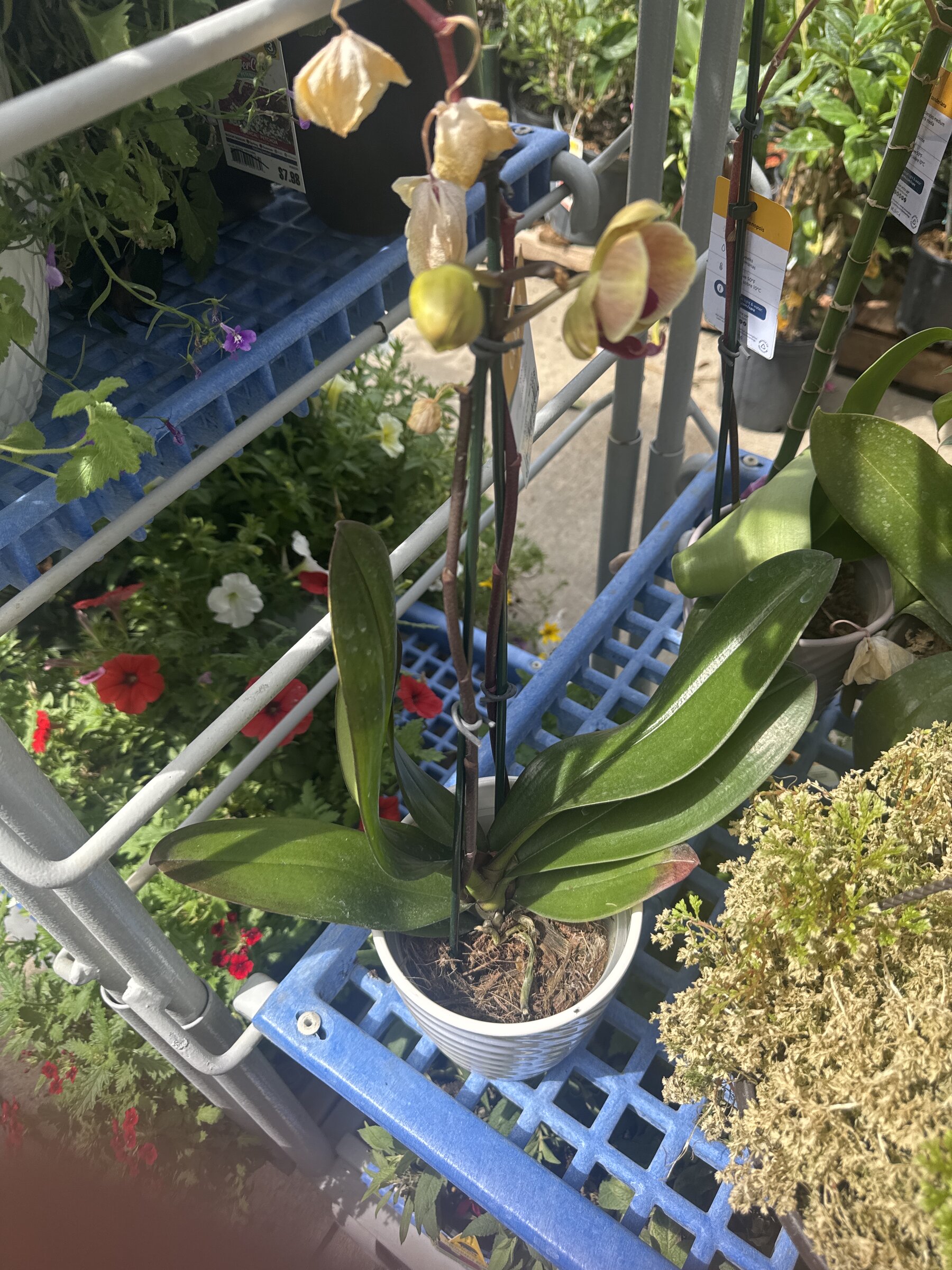
Bungalow Bill started as a $5 clearance orchid with fading flowers and an uncertain future. At first glance, he looked tired but not defeated. The leaves were still firm, the crown looked healthy, and the roots showed enough promise that he came home as another rescue project.
After blooming finished, a closer inspection revealed the original nursery plug hidden inside the root ball. It was removed during repotting, damaged roots were trimmed away, and the plant was settled into fresh orchid bark. From that point on, recovery became an exercise in patience rather than quick fixes.
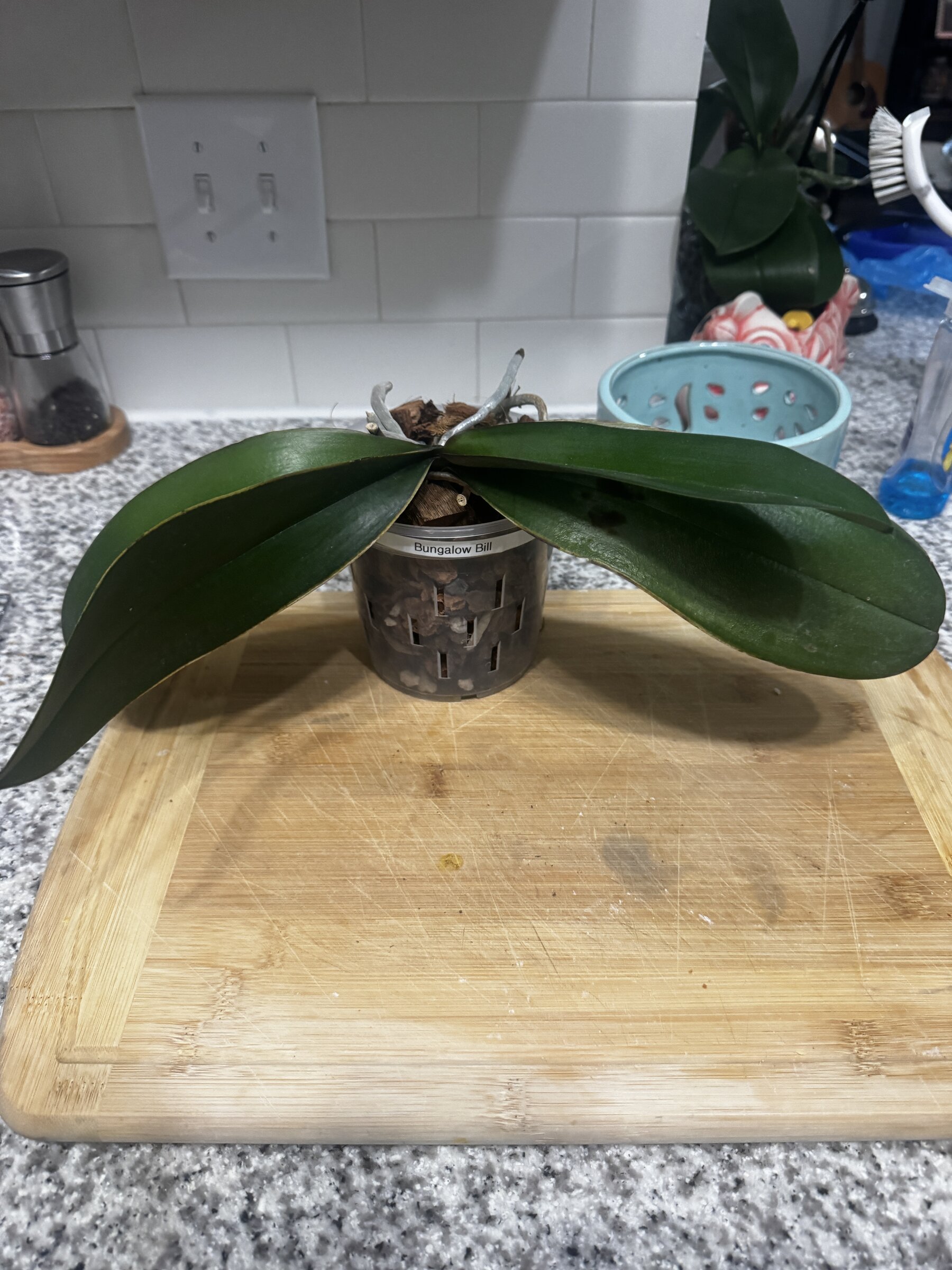
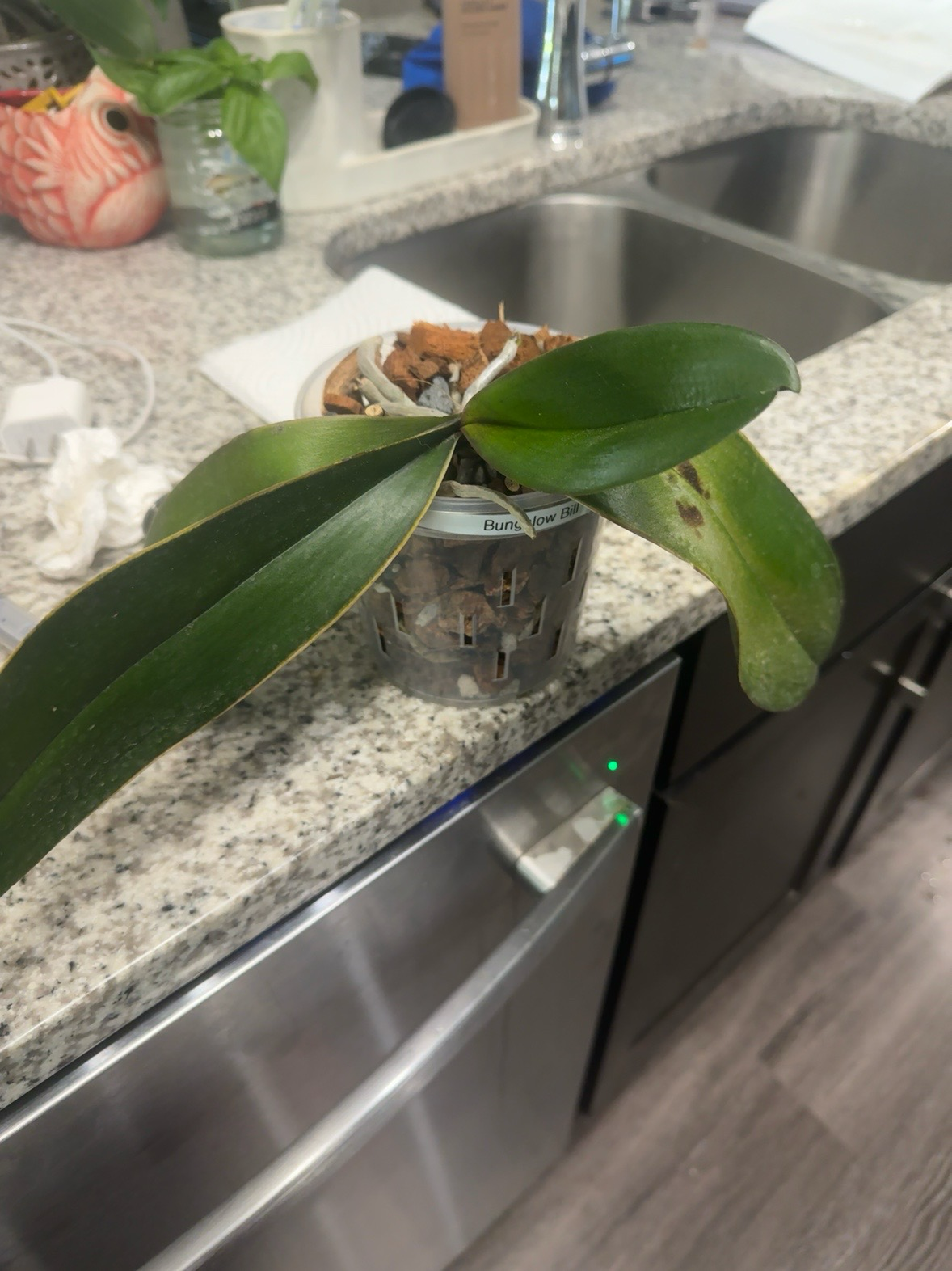
The older leaves never completely recovered from whatever happened before the rescue, but over the following months the signs that mattered began to appear. Fresh root tips emerged, the newest leaves stayed firm, and the crown remained healthy even when the plant still looked a little rough.
The biggest setback came after the move to Texas. Bungalow Bill handled the transition worse than any of the other orchids in the collection, and the change was obvious in the photos. For a while it looked like months of progress had been lost. Fortunately, the roots and new growth told a different story. Even when the older leaves looked tired, the plant continued investing its energy where it counted.
Bungalow Bill has become a reminder that rescued orchids don’t always look healthier before they actually are. Some of the biggest victories happen out of sight, below the bark or in the newest leaf, long before the plant looks impressive again. His story is still being written, one new root and one new leaf at a time.
Undated and historical notes
These sections retain their original wording and source order. They may describe earlier expectations; no exact dates have been inferred.
Source placement: after “2026-07-05 — Root Growth Confirmed”.
Looking Ahead
Future updates should focus on:
- Continued root development.
- New leaf production.
- Future flower spike development.
- Long-term recovery following the initial rescue.
Observations and updates
Newest first. Observations on the same date retain their original order.
2026-09-07 — Weekly Update
Photos
Observations
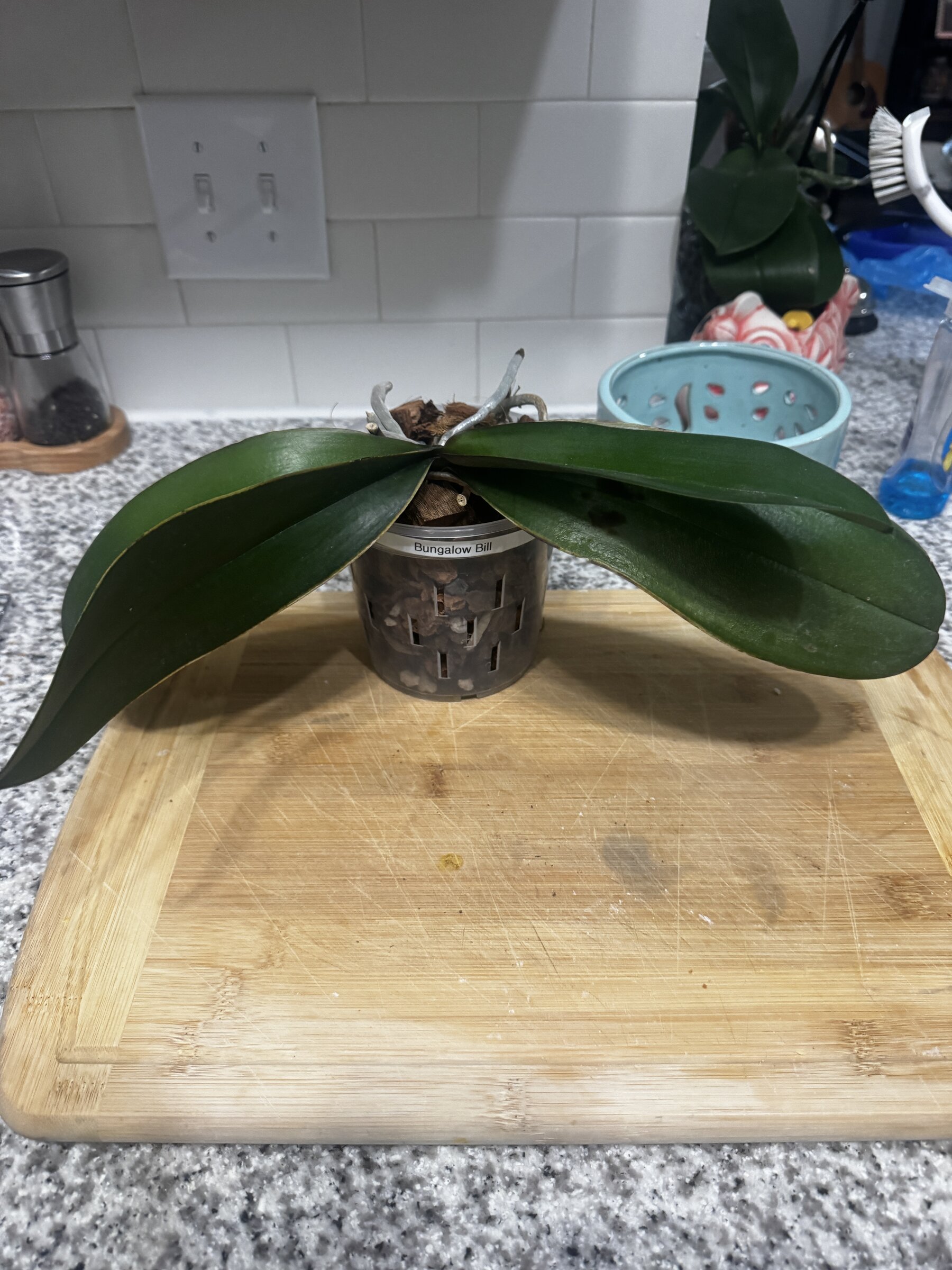
Bungalow Bill continues to hold steady. The upper leaves remain dark green, firm, and substantial, while those original droopy lower leaves still aren’t showing meaningful deterioration. The exposed roots also continue to look good, and I don’t see anything in today’s photo suggesting he’s slipping backward. Recovering remains accurate, though at this point he’s been remarkably stable for months. We’re still waiting for Bill to quit screwing around and give us that new leaf.
Care
Watered
2026-08-30 — Weekly Update
Photos
Observations
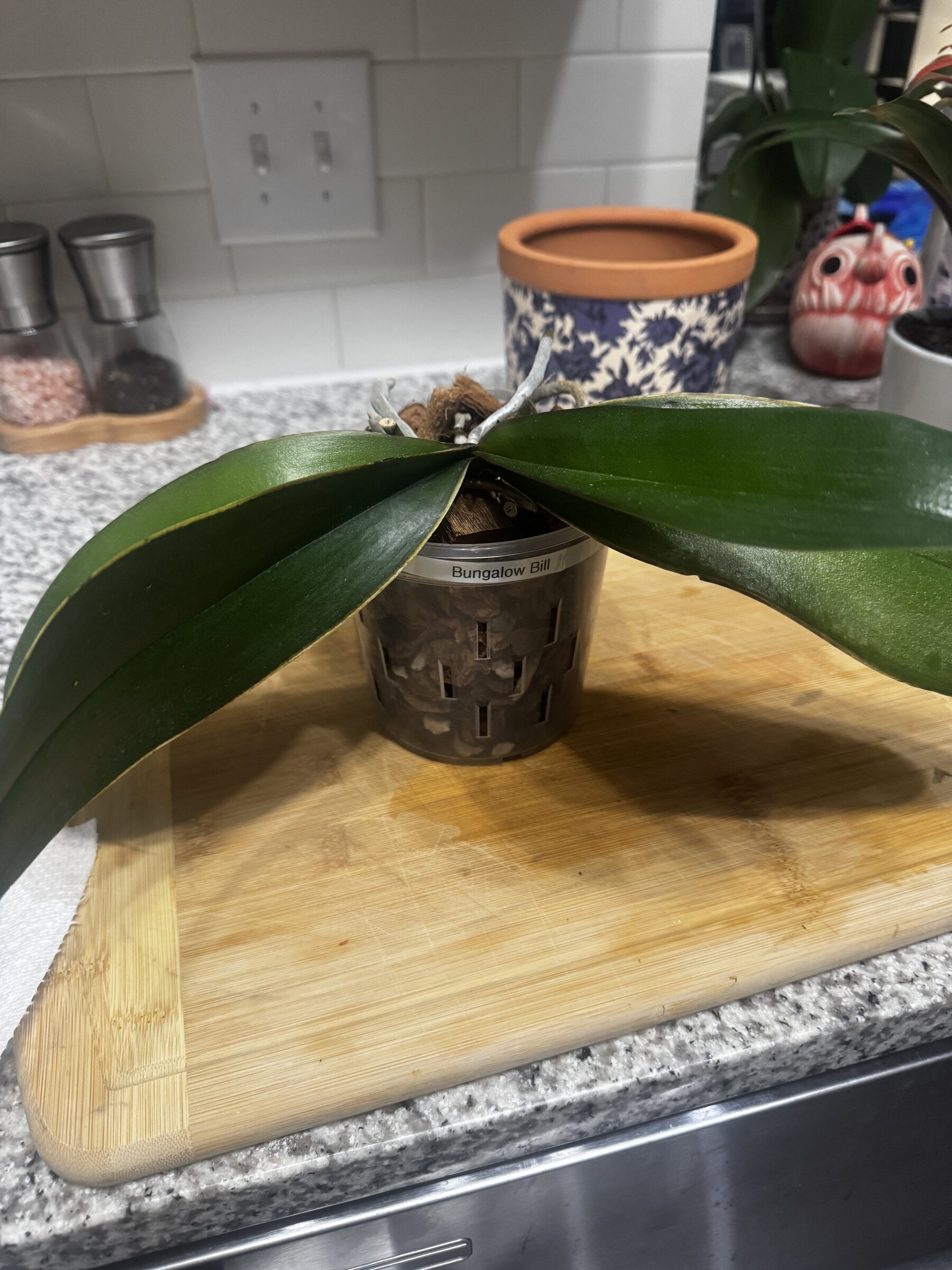
Bungalow Bill continues to look stable. The upper leaves remain firm, glossy, and a healthy dark green, and the exposed roots still look substantial.
Care
watered
2026-08-23 — Weekly Update
Photos
Observations
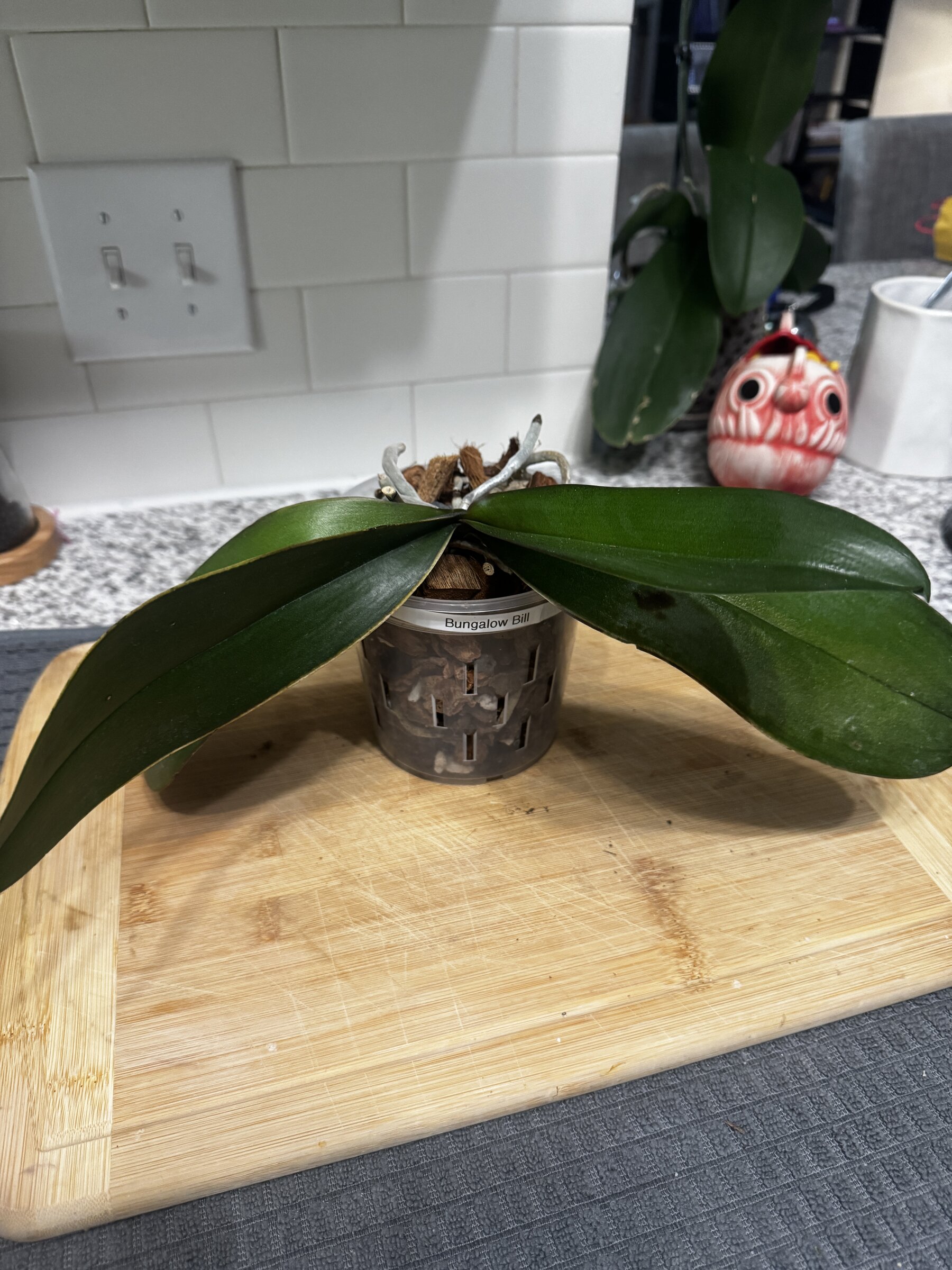
Bungalow Bill remains stable and continues his slow recovery. The upper leaves still look firm and healthy, the older floppy leaves haven’t noticeably declined, and the exposed roots look solid.
Care
Watered.
2026-08-18 — Weekly Update
Photos
Observations
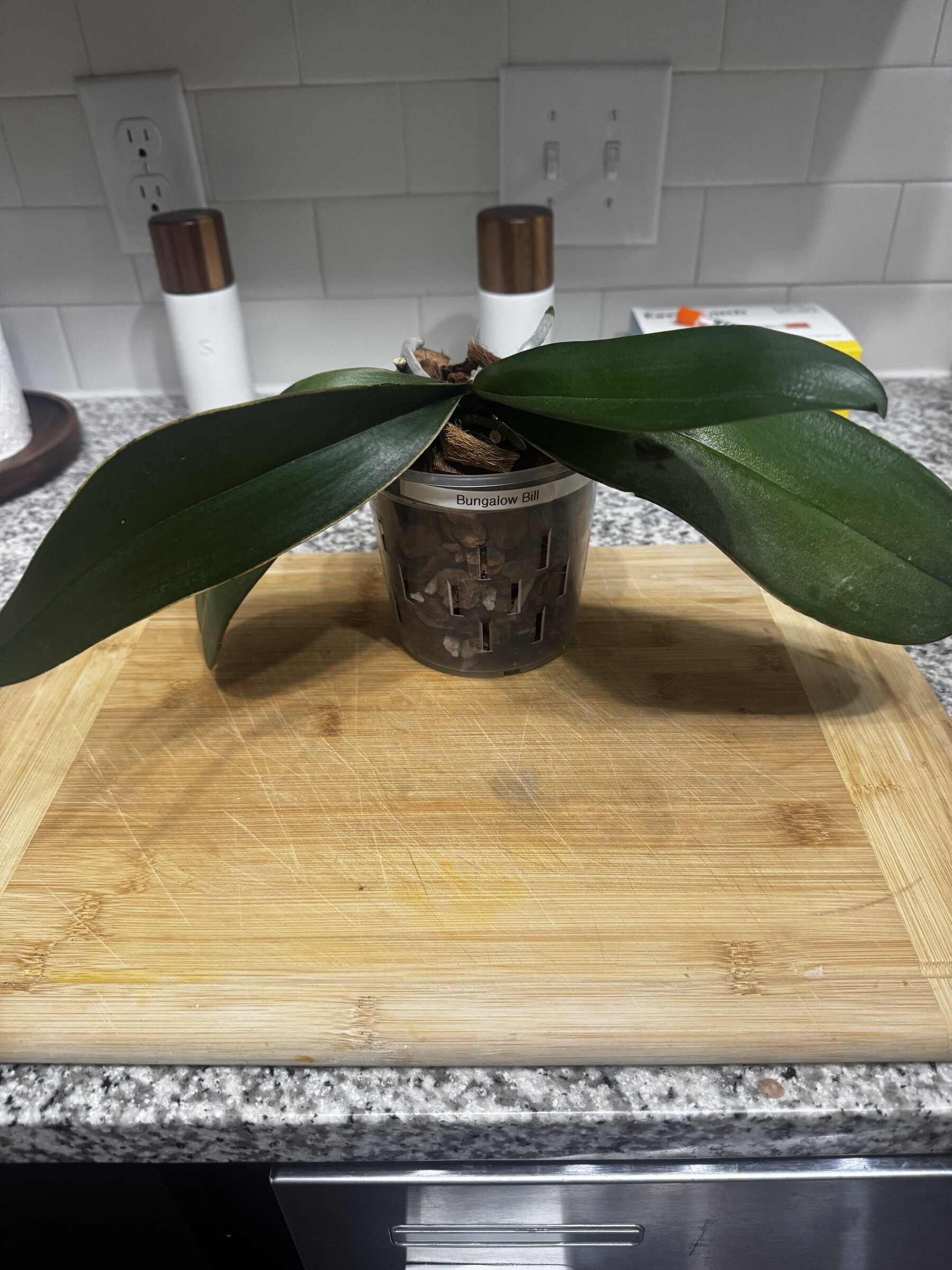
The upper leaves remain firm, dark green, and nicely hydrated, while the older lower leaves are still hanging low without any obvious further decline.
Care
Watered
2026-08-09 — Weekly Update
Photos

Observations
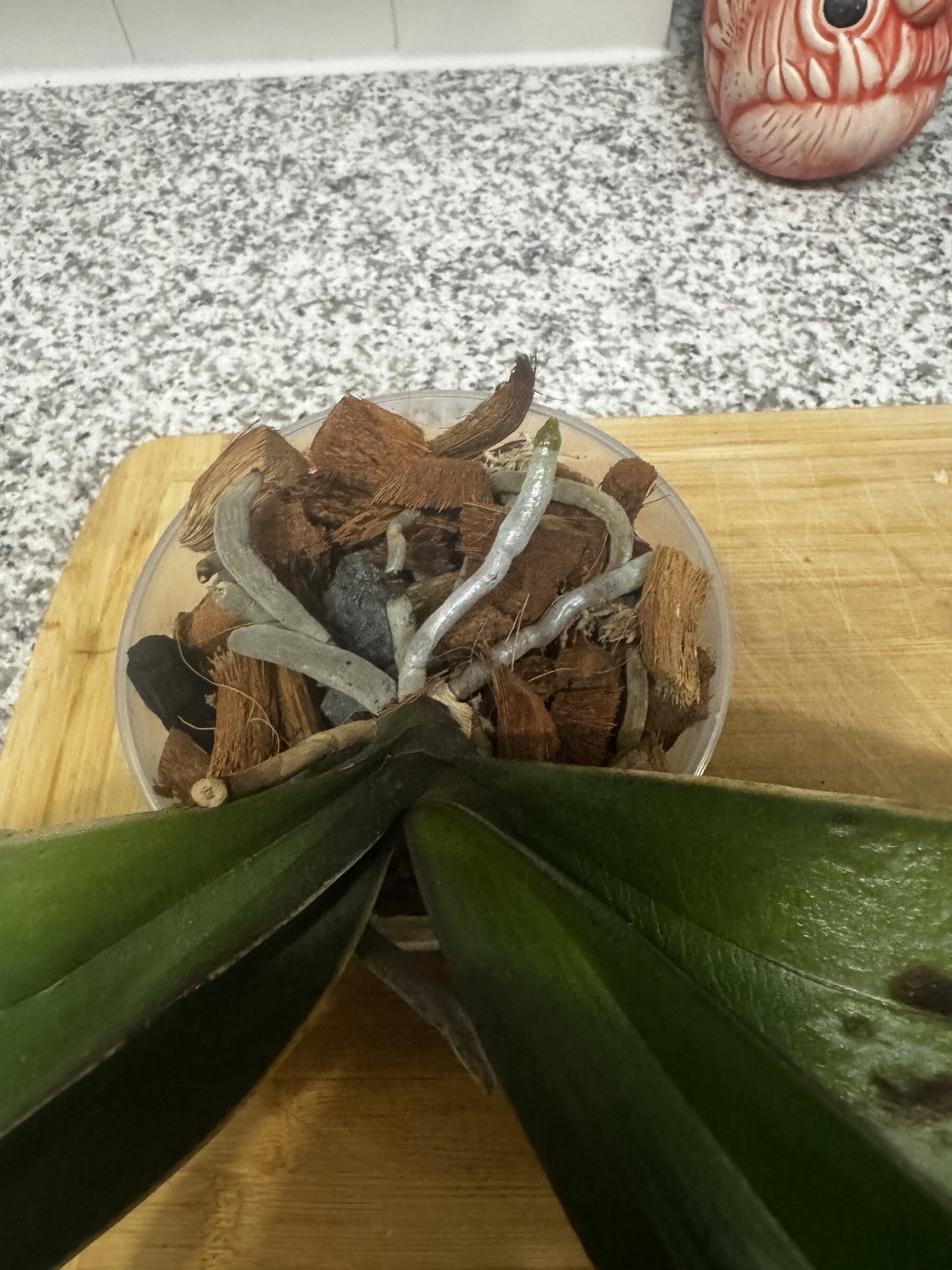
Bill remains stable in recovery. His leaves are firm and hydrated, and several visible roots remain active.
Care
Fertilized.
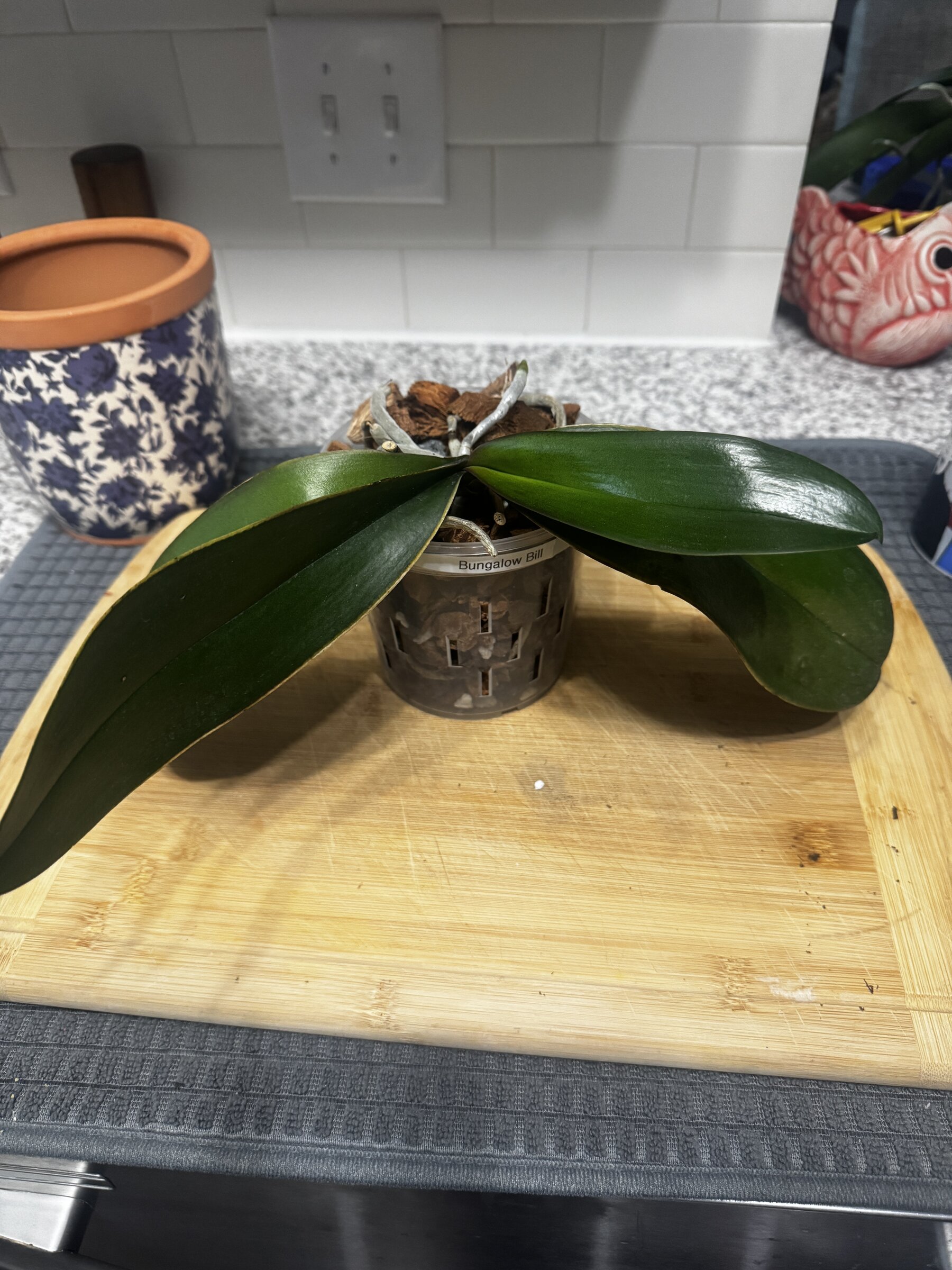
2026-08-02 — Weekly Update
Photos
Observations
Bill continues to recover. His leaves are hydrated and firm. I am hoping to see a new leaf soon.
Care
Watered
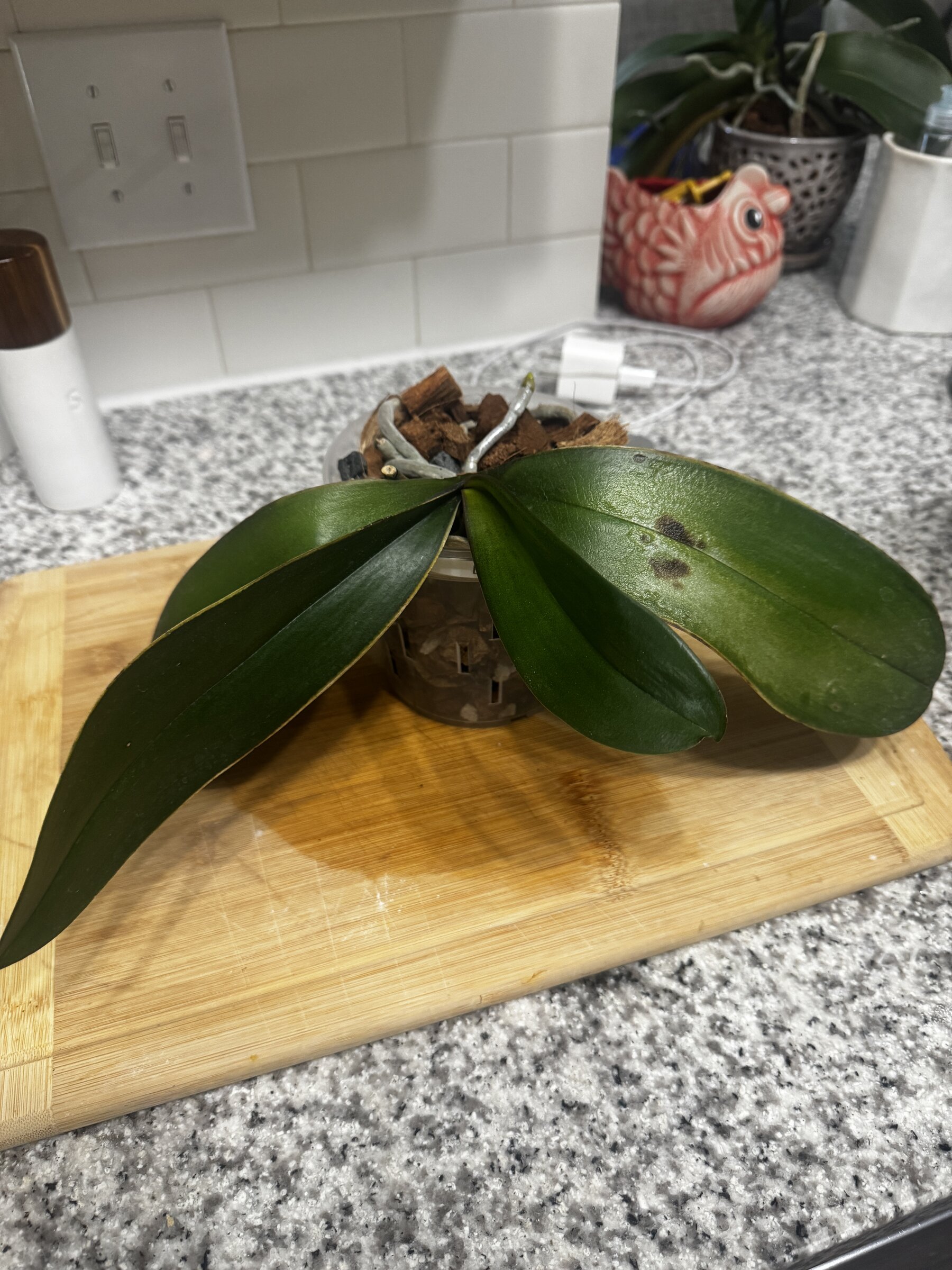
2026-07-26 — Weekly Update
Photos
Observations
Bungalow Bill remains stable this week. The newest leaf is firm and healthy, active root growth continues, and the older rescue-damaged leaves have not worsened. The leaf spotting is also unchanged, so recovery is still moving in the right direction—slowly, but steadily.
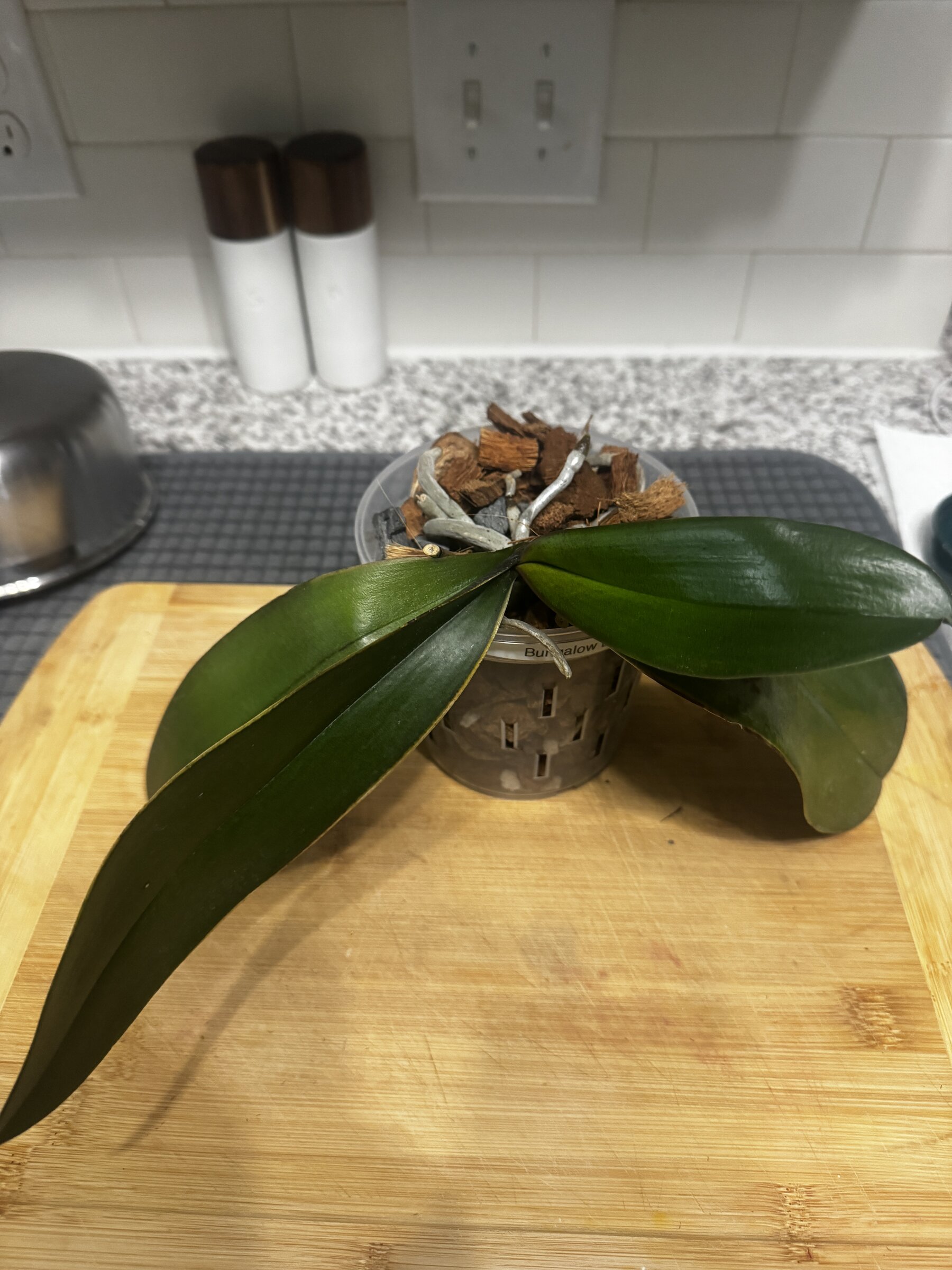
2026-07-19 — Weekly Update
Photos
Observations
Bungalow Bill remains stable this week. His newest leaf is firm, glossy, and healthy, while the older rescue-damaged leaves are still droopy but unchanged. The roots continue to look healthy, and after several steady weeks, I’m feeling more confident that the repot and root cleanup worked.
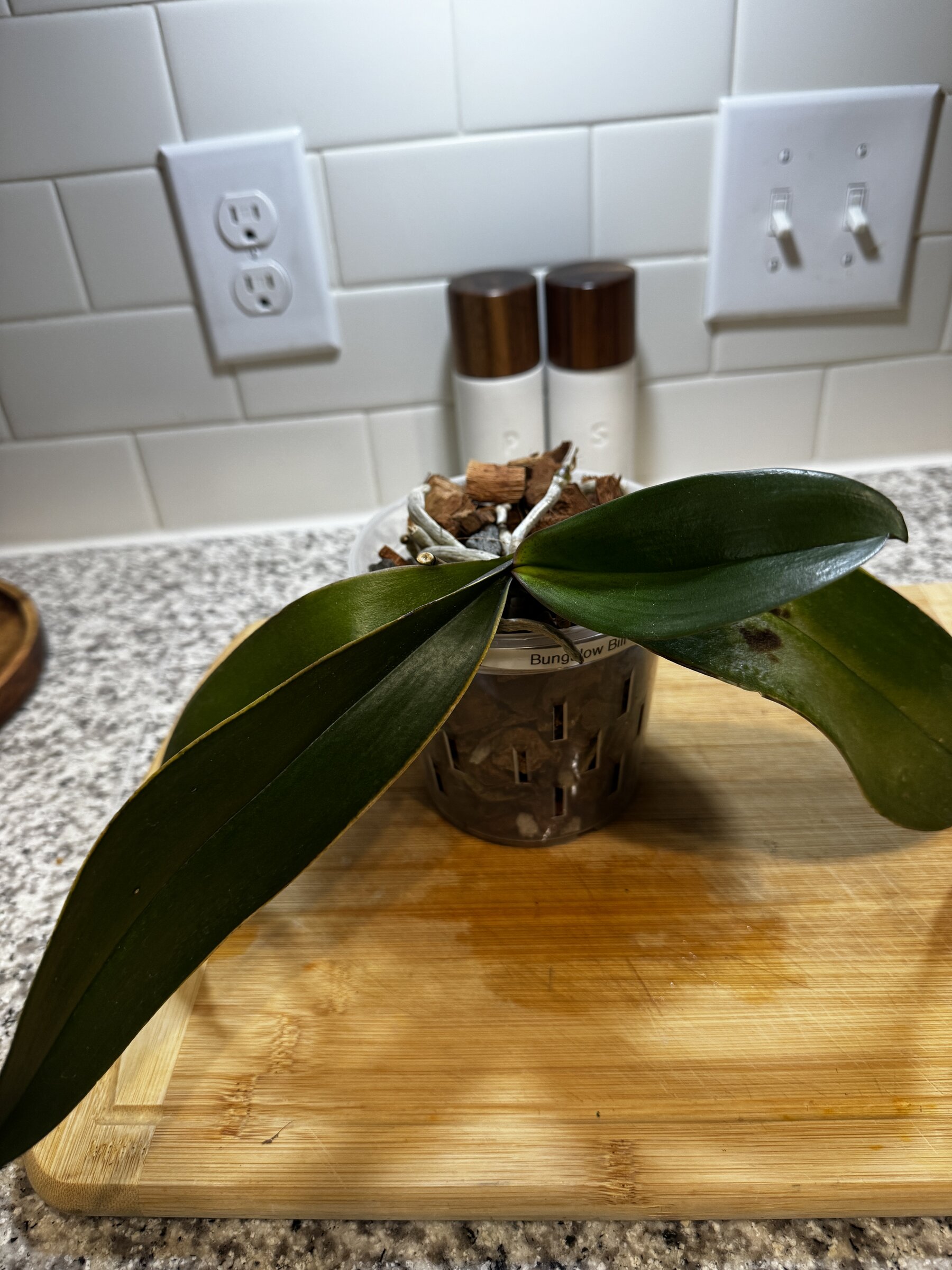
2026-07-12 — Weekly Update
Photos
Observations
Bungalow Bill remains stable this week. His newest leaf is firm and healthy, the crown is intact, and active green root tips continue to emerge. The older rescue-damaged leaves remain droopy but unchanged, while recovery continues to focus on rebuilding the root system.
Care
Fertilized.
2026-07-05 — Root Growth Confirmed
Photos

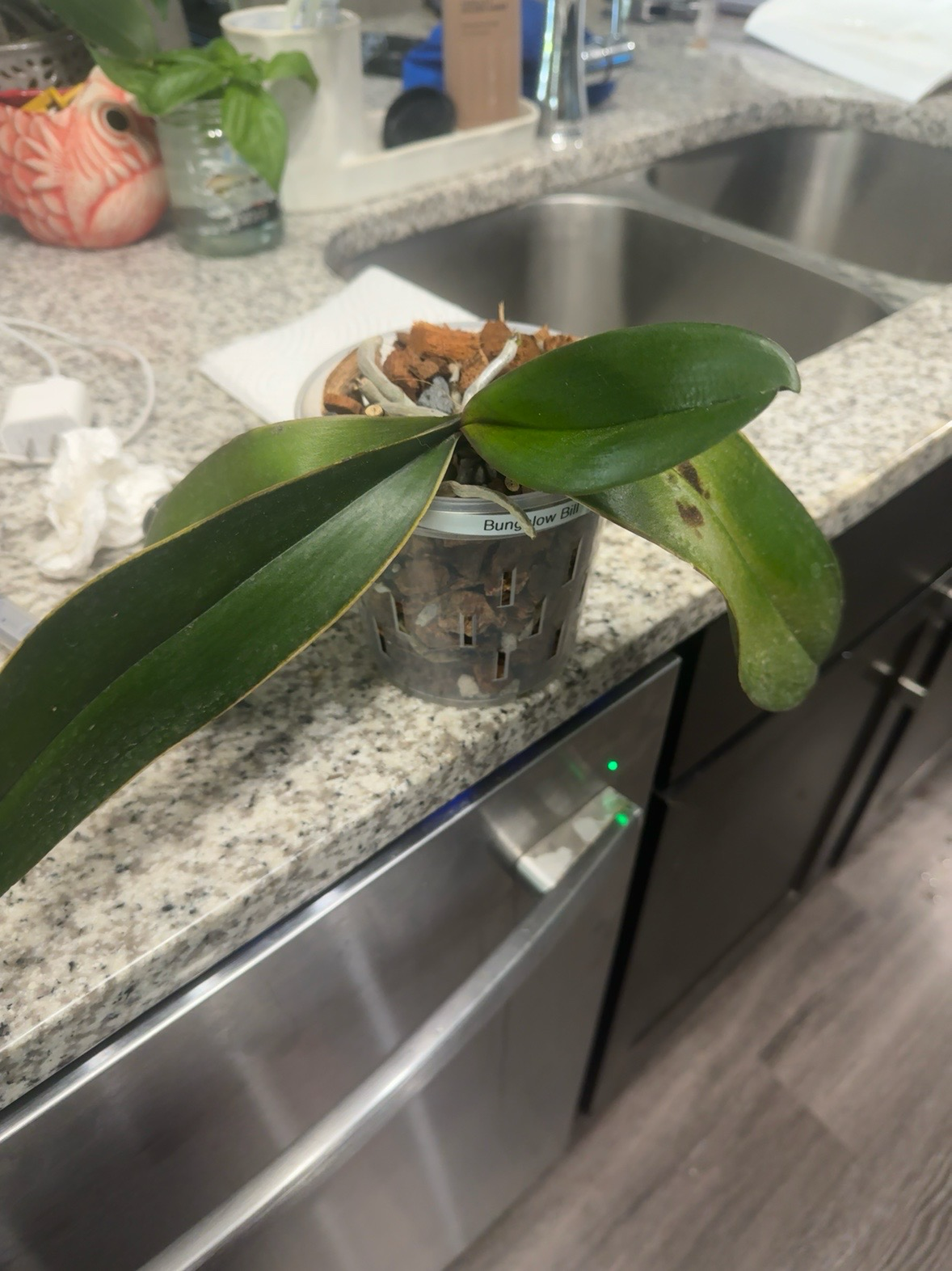
What Happened
Latest documented progress review.
Observations
- Fresh green root tips were visible.
- The two newest leaves remained firm.
- The two oldest leaves remained droopy, consistent with their condition since the day of rescue.
- Crown remained healthy.
Notes
The strongest evidence of recovery was new root growth and healthy newer leaves rather than improvement in the oldest foliage.
Lessons
New roots and healthy new leaves provide a more reliable measure of recovery than older damaged foliage.
2026-06-28 — New Growth Encouraging
Photos


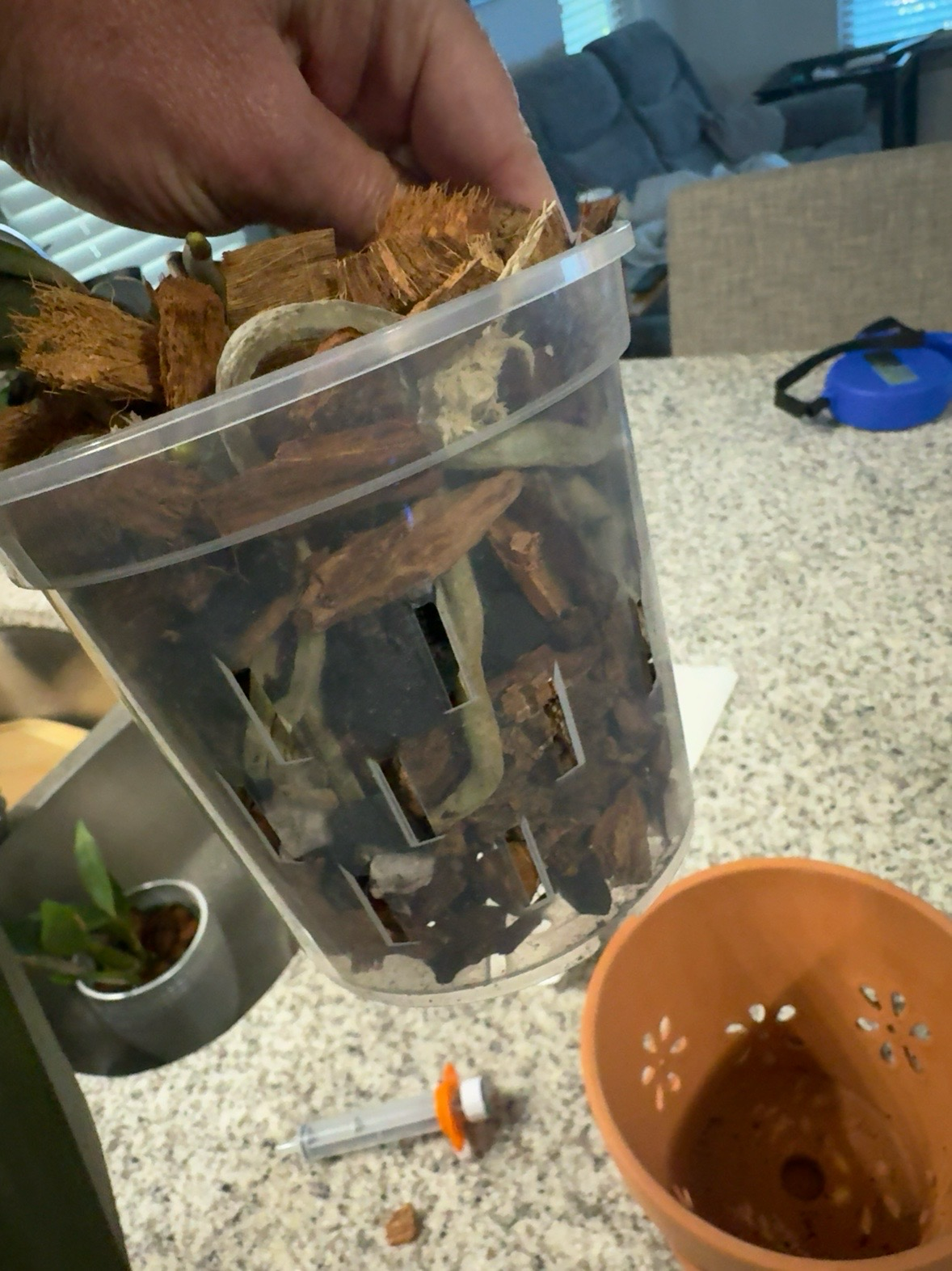
What Happened
Another progress review focused on new growth.
Observations
- Newest (center) leaf appeared firmer, glossier, and more upright than the older leaves.
- Older outer leaves continued to show the effects of the original stress.
- The crown remained healthy.
- Recovery continued gradually.
Notes
The healthiest growth was now coming from the center of the plant. The older leaves still documented the orchid’s difficult start, but the newest leaf suggested the core of the plant was functioning normally.
2026-06-13 — Early Signs of Improvement
Photos
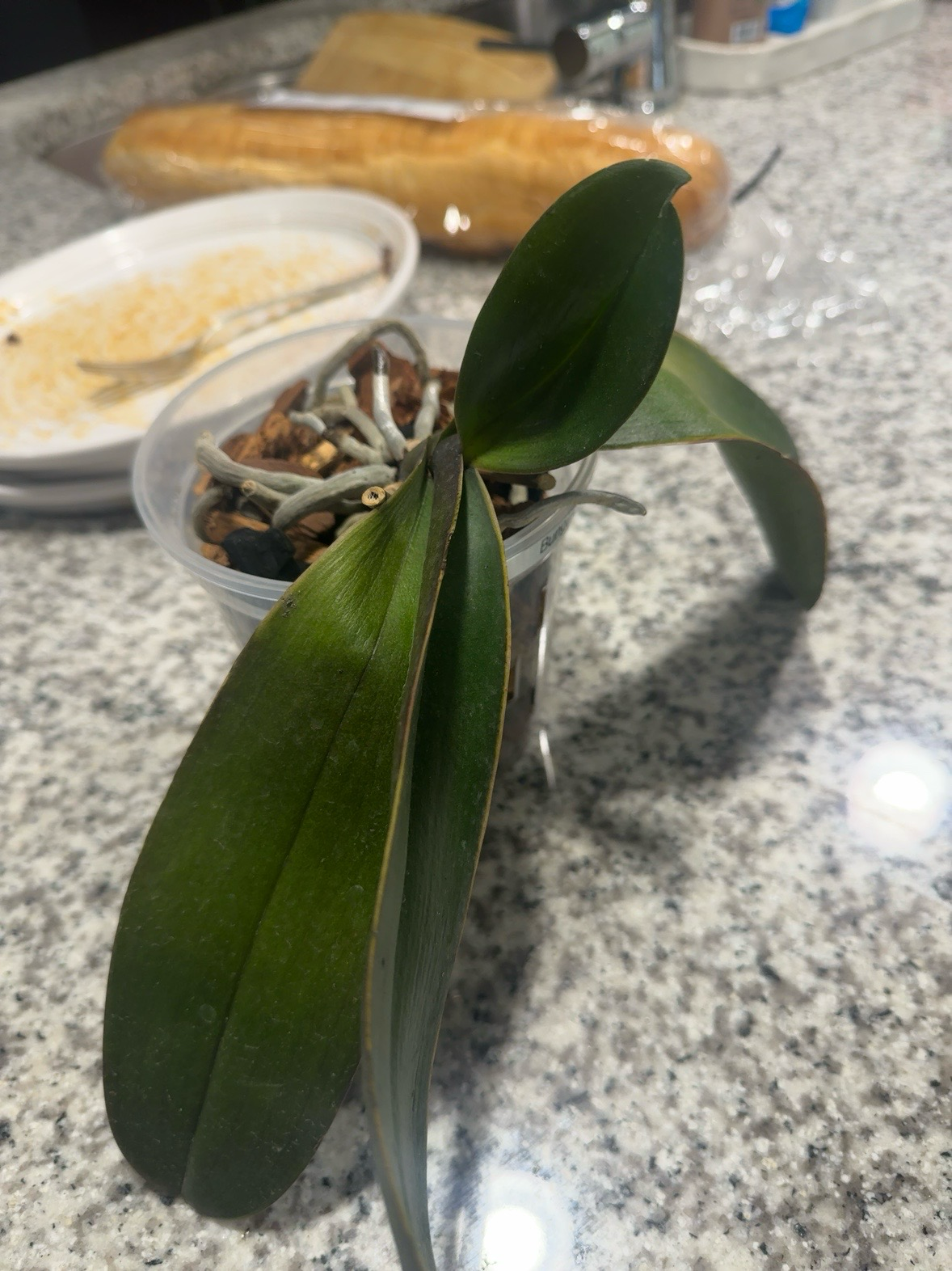
What Happened
Follow-up inspection approximately two months after repotting.
Observations
- Plant remained alive and recovering.
- Newest leaf appeared healthier than the older leaves.
Notes
Recovery remained slow but encouraging.
2026-04-15 — Recovery Check
Photos

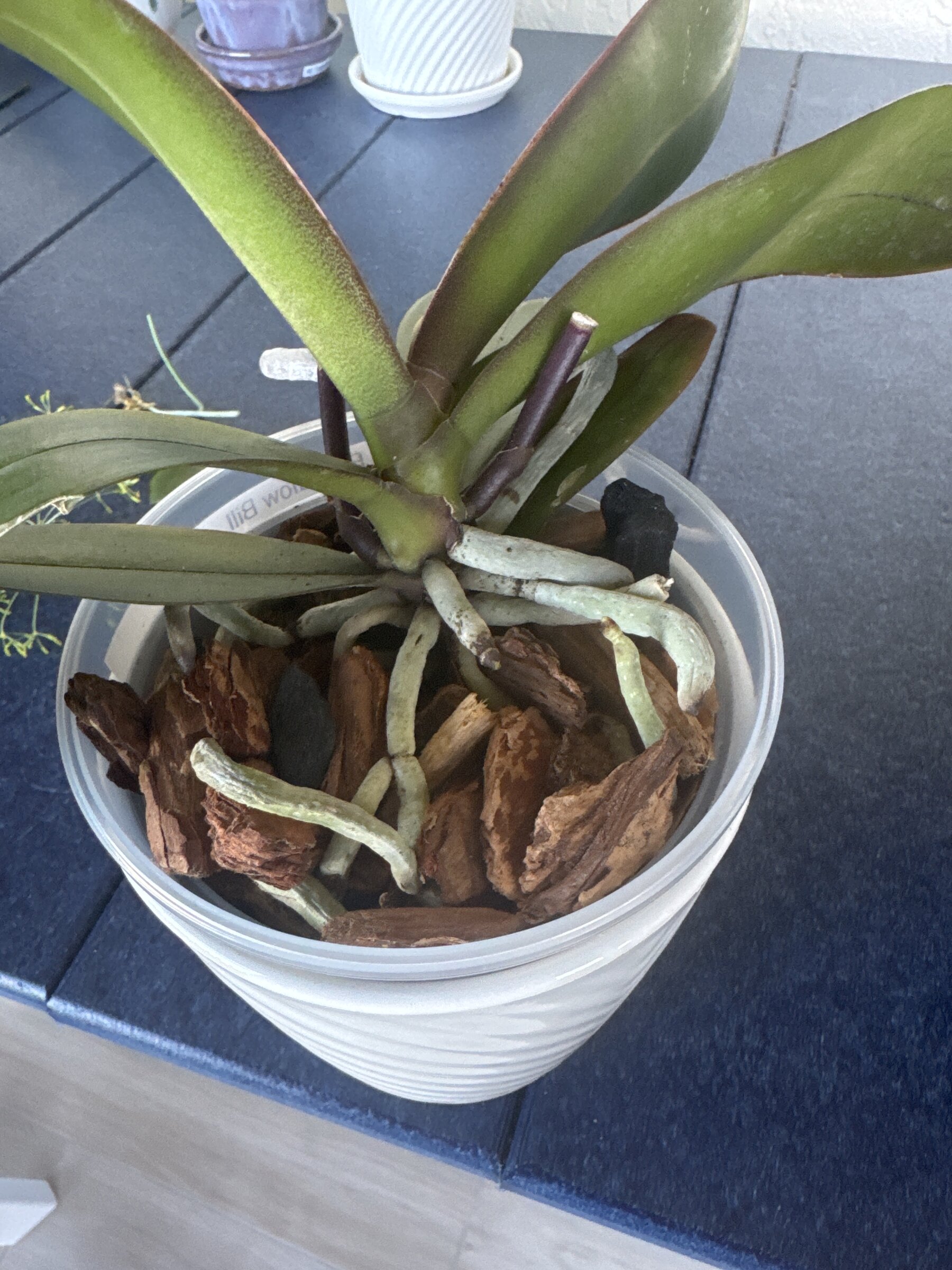
What Happened
Continued monitoring after repotting.
Observations
- Recovery continued without major changes.
2026-04-12 — Recovery Check
Photos
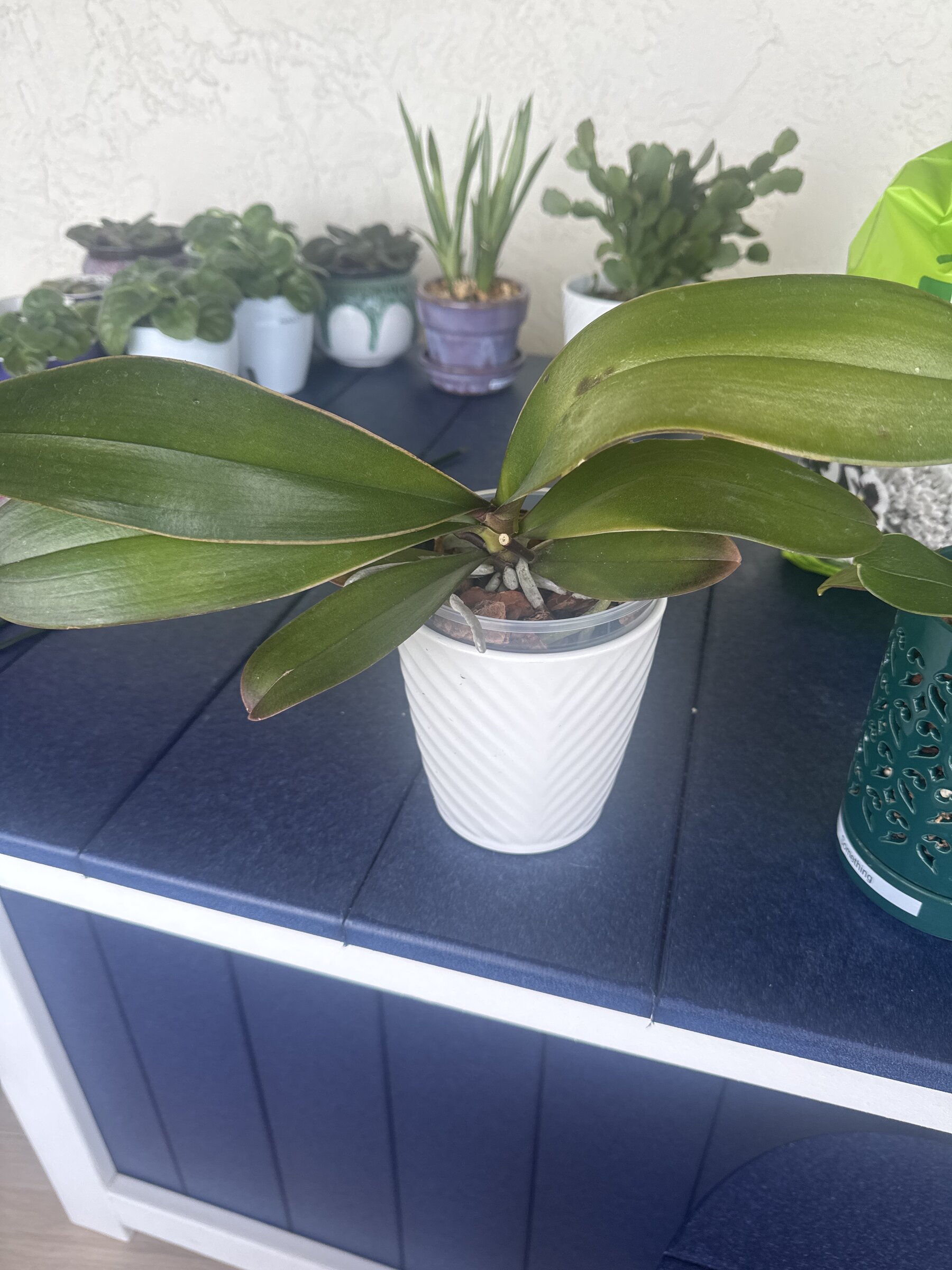
What Happened
Weekly progress inspection.
Observations
- Plant remained stable following the repot.
2026-04-05 — First Post-Repot Check
Photos
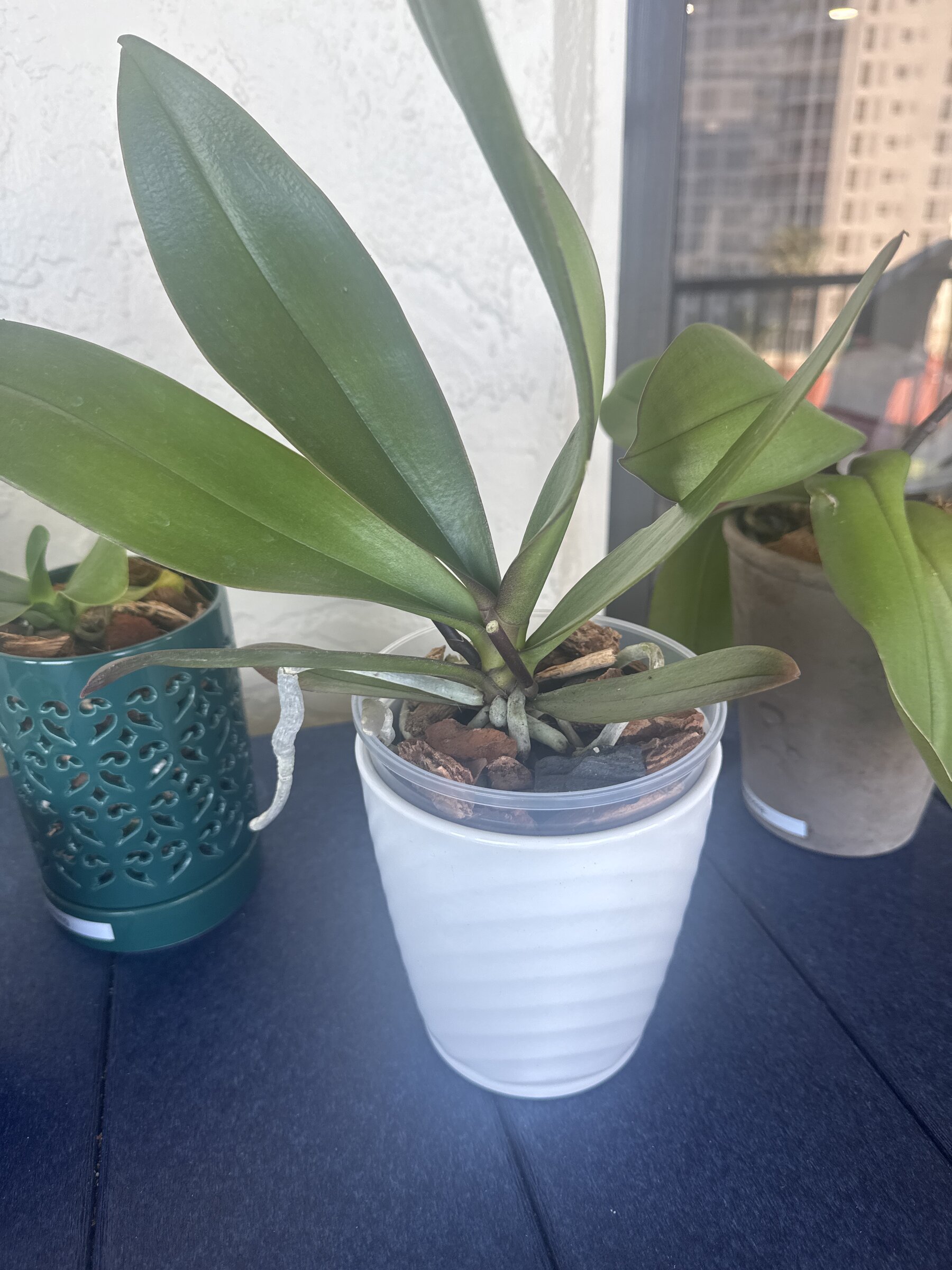
What Happened
Performed the first inspection after repotting.
Observations
- Plant had not yet been watered after repotting.
- No immediate signs of decline were observed.
2026-04-04 — Repotting
Photos

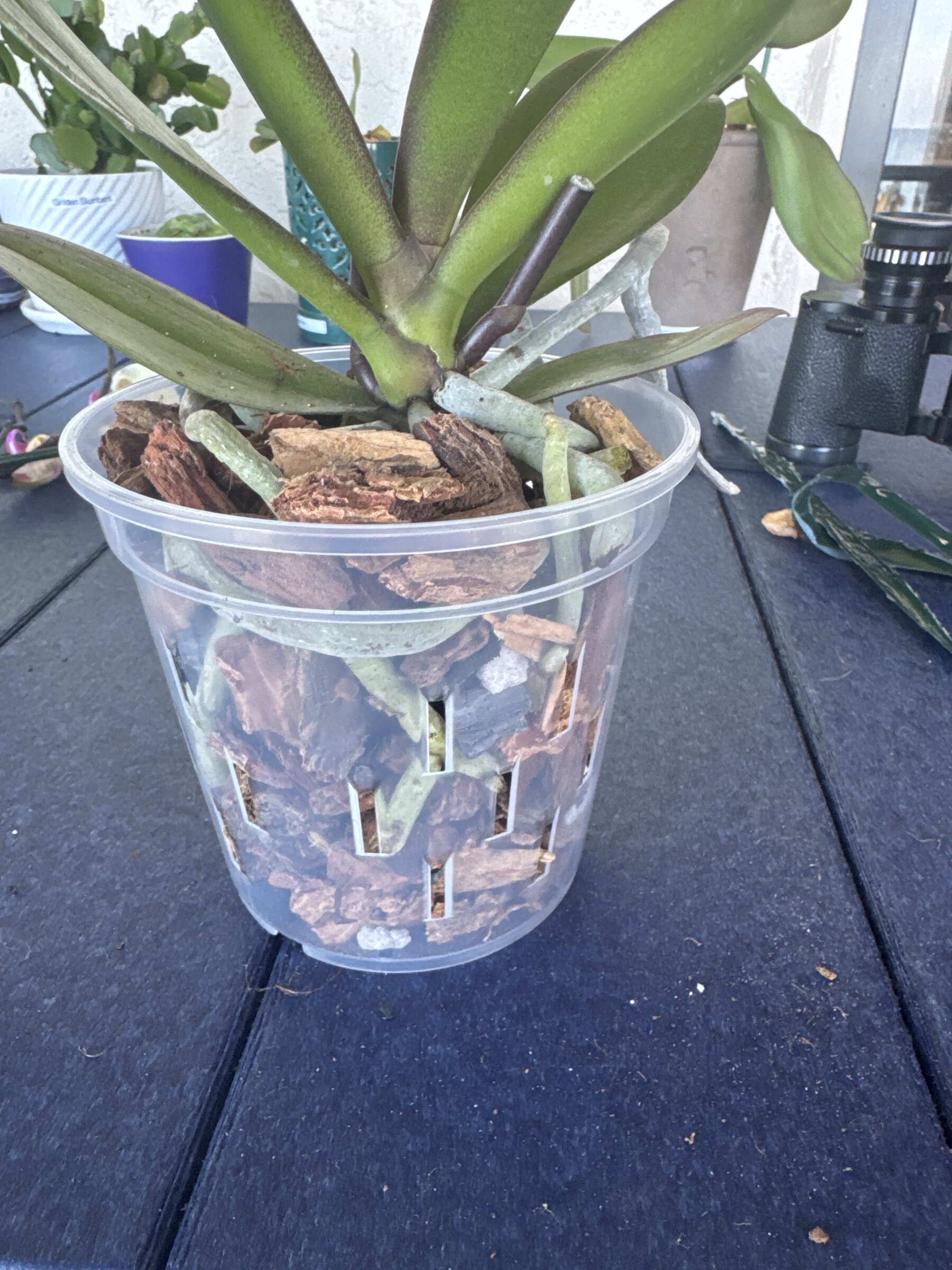
What Happened
Repotted into fresh orchid bark after removing the original nursery plug and trimming damaged roots.
Observations
- Nursery plug was present.
- Root pruning was performed where needed.
- Plant was transferred into fresh media.
Notes
Repotting was performed after flowering rather than immediately after rescue.
Lessons
Removing the nursery plug reduces the risk of long-term moisture problems.
2026-04-02 — Flower Spike Evaluation
Photos
None
What Happened
Considered removing the flower spike after all blooms had finished.
Observations
- Flowering had ended.
- Attention shifted toward vegetative recovery.
Notes
Decision made to continue post-bloom recovery.
2026-03-29 — Clearance Rescue
Photos


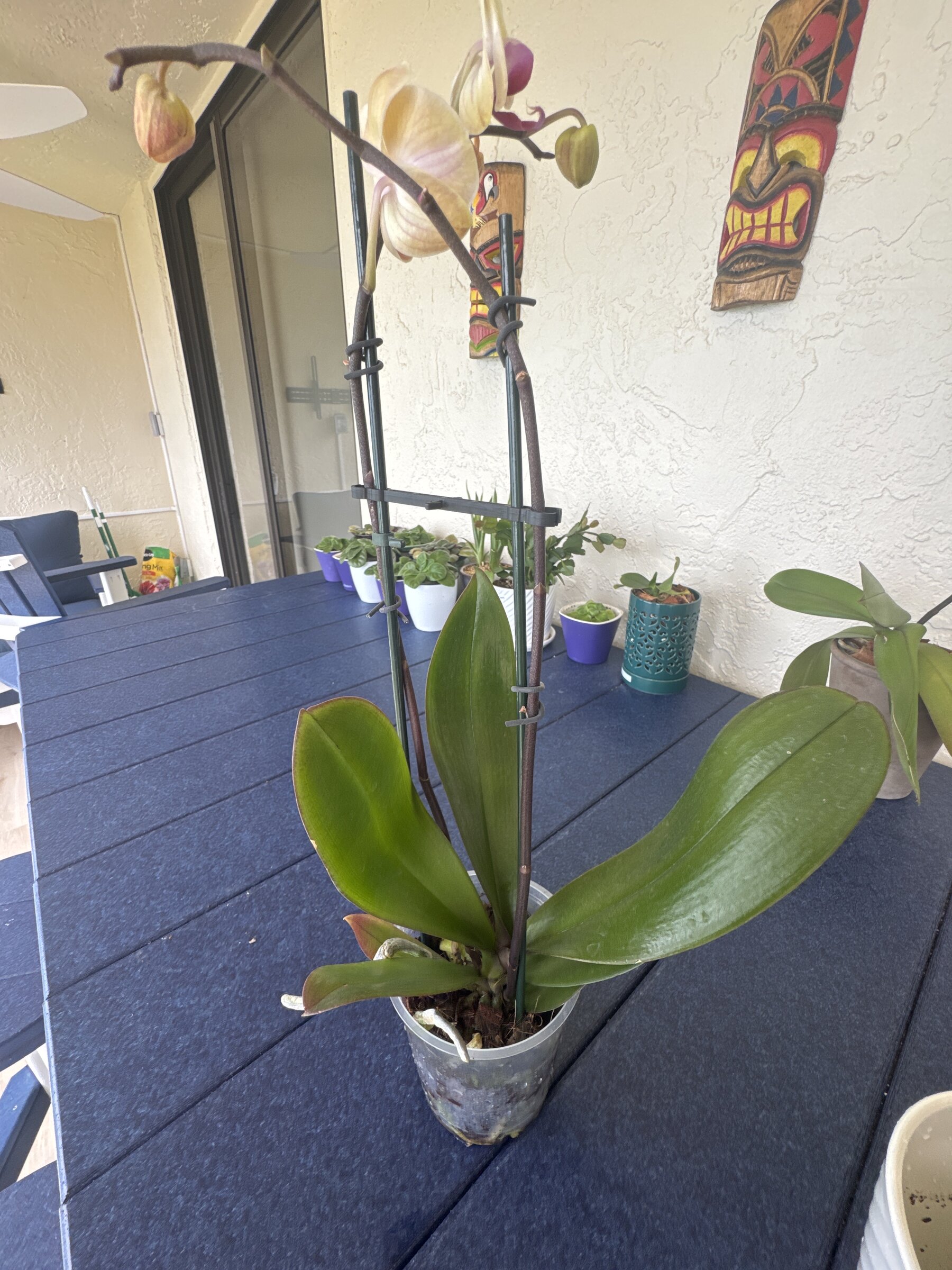
What Happened
Purchased from a clearance rack for $5 after confirming the plant appeared structurally healthy despite spent blooms.
Dead flowers were removed after bringing the orchid home, and the plant received its first watering.
Observations
- Leaves were mostly firm and green.
- Crown appeared healthy.
- Root system appeared promising.
- Potting medium was dry and not swampy.
- The plant was still carrying unopened buds.
- Several flowers had already faded.
Notes
The plant was named Bungalow Bill after joining the collection.
Initial assessment suggested a cosmetic rescue rather than a severely declining orchid.
Lessons
Healthy leaves and a sound crown are better indicators of long-term recovery potential than fading flowers alone.